
How to reduce no-shows without upsetting customers
The most expensive thing in hospitality is being too nice to charge for it
I've watched restaurant owners go broke being polite.
Not bad operators. Good ones. Warm, generous, the kind of people who got into this to look after a room full of strangers. And the exact thing that makes them great hosts is quietly bleeding them dry, because nobody ever told them that good service and carrying all the risk are two different things.
Let me show you what I mean, and a renovation is the cleanest way in.
You book a tradie. Tuesday, 9am. So you move your meetings, plan your day around it, and you wait.
9am. Nothing. 9:30, fine, he's running late, I can handle this. 10:15 you finally get him on the phone.
"Mate, what's going on?"
"Oh yeah, look, might be tomorrow instead."
Annoying. Inconvenient. Didn't cost you a cent.
And that's the whole thing, right there. In every other industry a no-show is a time problem. In hospitality it's a money problem, and nobody outside the four walls can see it.
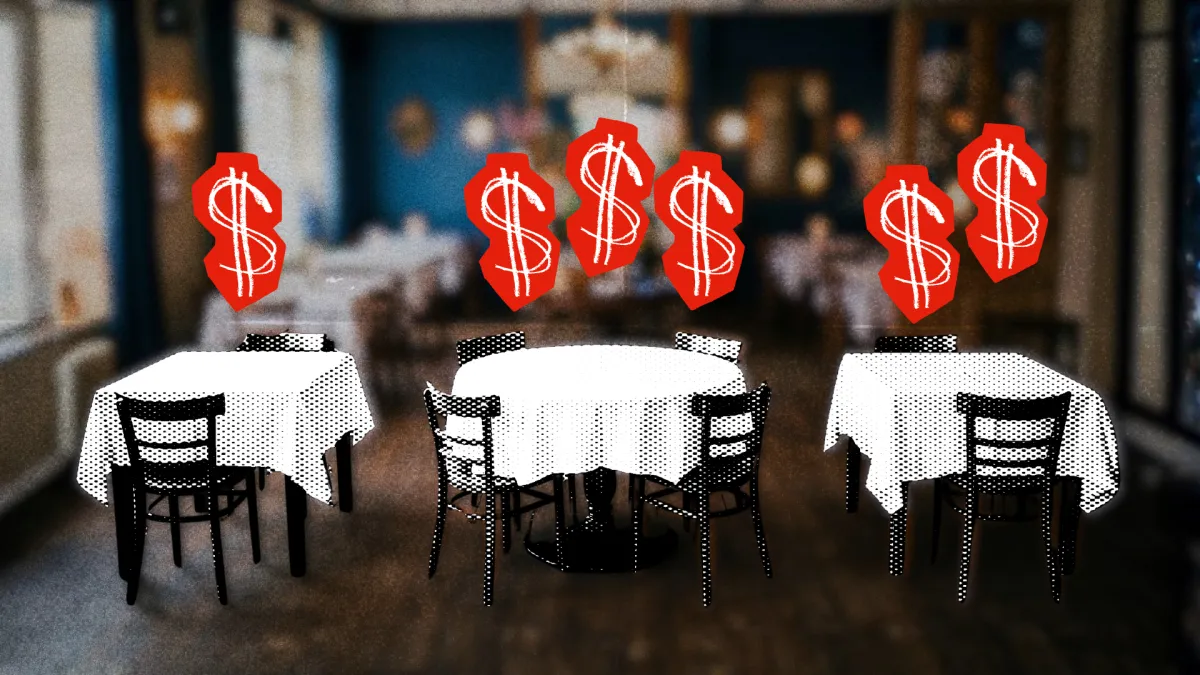
A booking isn't a name in a system. By the time that customer is meant to walk in, you've already ordered the stock. Prepped the food. Rostered the staff. Held the table and turned away the walk-in who wanted it.
The money's already gone. They just never showed up to make it back.
So count what an empty table actually costs. Not the covers.
Three things:
The money, because the stock and the prep and the wages were spent the second that booking landed. That doesn't come back.
The focus, because the whole shift got built around a table that was never going to fill. The roster, the prep list, the floor plan, all of it bent around a ghost.
And the one nobody counts: the energy. You've been stood up before. You know the feeling it leaves. The floor feels it too, the service drops half a gear, and there's no refund for that. It's the cost that compounds.
Most owners only ever feel the first one, and even then only in the back of their mind. See all three and the empty table stops being bad luck. It becomes a number. And a number you can do something about.
Here's what's kept owners from doing anything about it for years:
We all got sold the same idea, that carrying the risk is just part of good service. Be flexible. Be accommodating. Don't make it awkward. Just sit there and hope they turn up.
Hope they confirm. Hope they don't cancel. Hope they don't ghost you.
Hope isn't a strategy. It isn't leadership. And it's definitely not a business model.
Look at what the industry has quietly accepted. They book with zero commitment, cancel at the last minute or just don't come, and the owner eats all three costs like it's normal. Meanwhile the supplier still invoices. The staff still want their pay. The landlord still gets paid to the day. Everyone in the chain gets covered except the one person carrying the whole thing.
The owner.
Then we wonder why owners are so bloody exhausted.
So look at where the rudeness actually sits. It was never in the deposit. It's in a booking that asks you to commit your stock, your wages, your focus and your team's energy, and commits nothing back.
A deposit isn't rude. A card hold isn't aggressive. A cancellation window isn't anti-customer. It's a standard. It's a grown-up business saying we'd love to have you, and we need you to respect the prep, the team and the time that goes into your table, because we respect our own future enough to start protecting it.
Nothing hostile about that.
And the day an owner stops building the week on hope, the cash flow stops being emotional. The roster stops being a guess. The prep stops being a gamble. Because a business that carries all the risk and has no system isn't a booking system. It's a stress machine. And nobody signed a lease to run a stress machine.
Stronger boundaries don't make you less hospitable.
They're the thing that protects it.
You don't need to rebuild your whole system. You don't need to start taking table bookings if you never have. You need one grown-up step this week. One.
I walk through exactly what it is in the video below, and the simplest way to bring it in without making it weird for your customers or your team.
WATCH: How to Stop No-Shows from Hurting Your Restaurant

Small shift. Massive relief.
And if you'd rather talk it through with someone who can actually see your numbers, the Profit Finding Session is open. We find where the risk is really sitting in your business, and the next move worth making.
